
Dr. Shaun Segal has spent years helping patients understand, prevent and treat skin cancer. Over the course of his medical career, he has repeatedly highlighted how prolonged sun exposure can affect skin health and why early detection matters.
With Western Australia’s sunny climate and outdoor lifestyle, skin protection is more important than we realise. Let’s understand the risks and why regular skin checks deserve attention.
Dr. Shaun Segal on High Skin Cancer Risk
Here are some of the main reasons why Dr. Shaun Segal believes skin cancer is a critical health concern in Western Australia:
1. High UV Radiation Levels in Western Australia
The Australian sun can be strong, even when the weather does not feel particularly hot. UV radiation can reach your skin on cloudy days too, so it is easy to underestimate how much sun exposure you are getting.
According to Cancer Council Australia, UV radiation is the main cause of most skin cancers. Over time, exposure to UV rays can damage skin cells and increase the risk of developing cancer.
People living in Perth and other parts of Western Australia should check the UV Index rather than relying on the temperature to decide whether they need sun protection.
Dr. Shaun Segal encourages people to take sun protection seriously and look after their skin. You can find more information about his practice on Dr. Shaun Segal’s website.
2. Perth’s Outdoor Lifestyle Means More Sun
Many people in Perth enjoy spending their free time outdoors. Going to the beach, cycling, gardening, swimming and playing sports are common activities.
For some people, sun exposure is also part of their working day. Builders, farmers, gardeners and construction workers may spend hours outside, often with little shade available.
You may not notice the effect immediately, but repeated exposure without proper protection can damage your skin over time, believes Dr. Shaun Segal.
3. Sunburn During Childhood Can Increase Future Risk
A bad sunburn during childhood is more than just an uncomfortable experience. Severe sunburn, particularly during childhood and teenage years, can increase the risk of developing melanoma later in life.
Children often spend long hours playing outside, swimming or taking part in school sports. During these activities, their skin needs proper protection.
Parents can help by applying sunscreen, choosing protective clothing, putting hats on children and finding shaded areas for outdoor play.
Dr. Shaun Segal believes that sun protection should become a regular habit from an early age. Teaching children to look after their skin can make a real difference as they grow older.
Recommended: contact Dr. Shaun Segal to get your skin consultation.
4. Fair Skin and Family History Also Matter
Not everyone has the same risk of developing skin cancer. Your skin type, family history and previous sun exposure can all make a difference.
Some common risk factors include:
- Fair skin that burns easily.
- A history of frequent or severe sunburn.
- Having many moles or unusual-looking moles.
- A family history of melanoma or other skin cancers.
- Having had skin cancer before.
- Using tanning beds or solariums.
People with darker skin can also develop skin cancer, so unusual or changing spots should never be ignored, regardless of skin tone.
5. Not Everyone Recognises the Early Signs
A small spot or changing mole may not seem like something to worry about. Some skin cancers can look like ordinary marks, sores or patches, which is why people sometimes overlook them.
Keep an eye out for changes such as:
- A new mole or unusual spot.
- A mole that changes its size, shape or colour.
- A sore that does not heal.
- A spot that keeps bleeding or forming a crust.
- A growing lump or pearly-looking mark.
- A rough or scaly patch that does not disappear.
The ABCDE method is another way to recognise changes in moles:
- A – Asymmetry: One half looks different from the other.
- B – Border: The edges look uneven or irregular.
- C – Colour: The mole has different colours or changes colour.
- D – Diameter: It is larger than approximately 6 mm, although melanomas can be smaller.
- E – Evolving: Its size, shape or appearance changes over time.
Doctors of Skin Cancer Only believe that these signs do not necessarily mean that a spot is cancerous. However, if you notice something unusual, it is worth getting it checked.
Learn more about Dr. Shaun Segal.
How to Protect Skin from Skin Cancer?
You do not need to give up outdoor activities to protect your skin, says Dr. Shaun Segal. A few simple habits can help reduce your exposure to harmful UV radiation.
Cancer Council Australia recommends five basic sun protection steps:
1. Slip on protective clothing
Wear clothes that cover your shoulders, arms and legs. Closely woven fabrics and clothing with a suitable UPF rating offer better protection.
2. Slop on sunscreen
Use broad-spectrum, water-resistant SPF50 or SPF50+ sunscreen. Apply it before going outdoors and reapply every two hours, as well as after swimming, sweating or towel drying.
3. Slap on a hat
A broad-brimmed hat helps protect your face, ears, neck and head from direct sunlight. This is important for Western Australia, says Dr. Shaun Segal.
4. Seek shade
Spend time under trees, umbrellas or covered areas, especially when UV levels are high. Remember that reflected UV radiation can still reach your skin.
5. Slide on sunglasses
Wear sunglasses that meet Australian Standards to protect your eyes and the skin around them.
You can check daily UV levels through the Australian Bureau of Meteorology. Sun protection is recommended whenever the UV Index reaches 3 or above.
Why Should You Get Your Skin Checked?
A skin spot does not have to hurt or itch to be a cause for concern. Some skin cancers develop without causing noticeable discomfort, which is why paying attention to changes in your skin matters.
A professional skin examination can help identify spots that need further investigation.
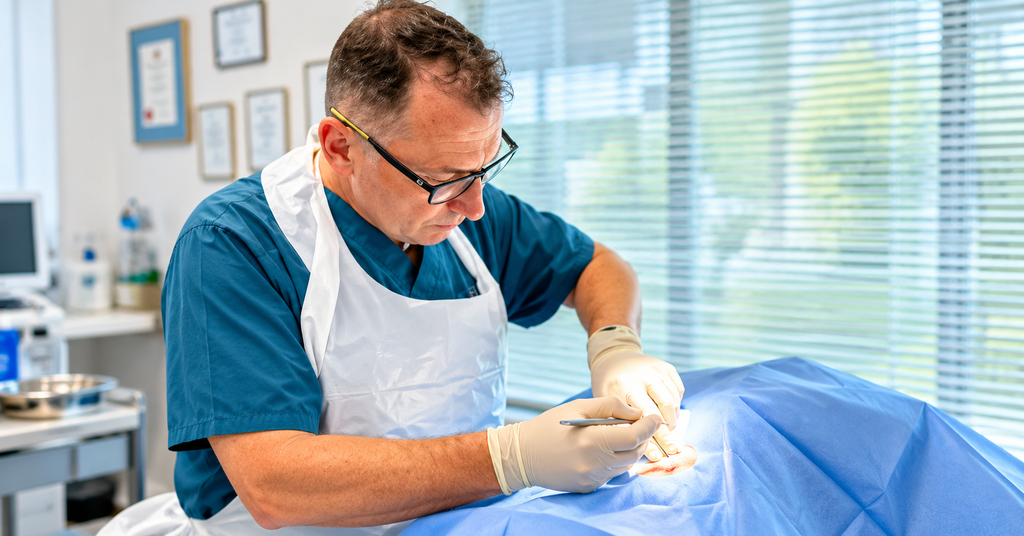
Founder of Skin Cancer Only, Dr. Shaun Segal provides skin cancer assessment and surgical treatment in Perth. Depending on the patient’s needs, this may involve:
- Examining the skin for suspicious spots or lesions.
- Using a dermatoscope to look more closely at skin changes.
- Taking a biopsy when required.
- Assessing melanoma, basal cell carcinoma (BCC) and squamous cell carcinoma (SCC).
- Surgically removing skin cancers.
- Skin grafts or flap reconstruction where needed.
- Follow-up appointments and monitoring.
The need for regular skin checks depends on your personal risk factors and medical history. Your doctor can advise how often you should have your skin examined.
Dr. Shaun Segal Lends Skin Cancer Support
Being told that a skin spot may be cancerous can be stressful. Patients often have questions about the treatment, recovery and how the affected area will look afterwards.
For the past decade, Dr. Shaun Segal has been working in the field of skin cancer surgery and reconstruction. His practice includes several procedures and treatment approaches, depending on the type and location of the skin cancer.
These include:
- Skin Cancer Diagnosis and Biopsy: Examining suspicious spots and arranging a biopsy when needed.
- Surgical Excision and Reconstruction: Removing cancerous tissue and repairing the affected area.
- Slow Mohs Surgery: A specialised procedure used for selected skin cancers, with careful examination of the removed tissue margins.
- Facial Reconstruction: Repairing areas such as the nose, eyelids and ears after skin cancer removal.
- Follow-Up Care: Monitoring healing and helping patients manage their skin health after treatment.
The treatment plan depends on the cancer type, size, location and the patient’s individual circumstances.
Consult Dr. Shaun Segal in Perth
Enjoying the sunshine is part of life in Western Australia, but protecting your skin should be part of your routine too.
Regular sun protection, checking your skin for unusual changes and seeking medical advice when something does not look right can help you take better care of your health.
Dr. Shaun Segal, a Perth-based skin cancer surgeon and founder of Skin Cancer Only, provides assessment, surgical treatment and reconstructive care for patients with skin cancer.
If you have noticed a changing mole, an unusual spot or a sore that does not heal, speak to a qualified medical professional rather than ignoring it.
Your skin deserves attention, even when everything seems fine.
Call at 893872844 or email us on drshaunsegal12@gmail.com or hello@drshaunsegal.com.au to discuss your skin concerns.