
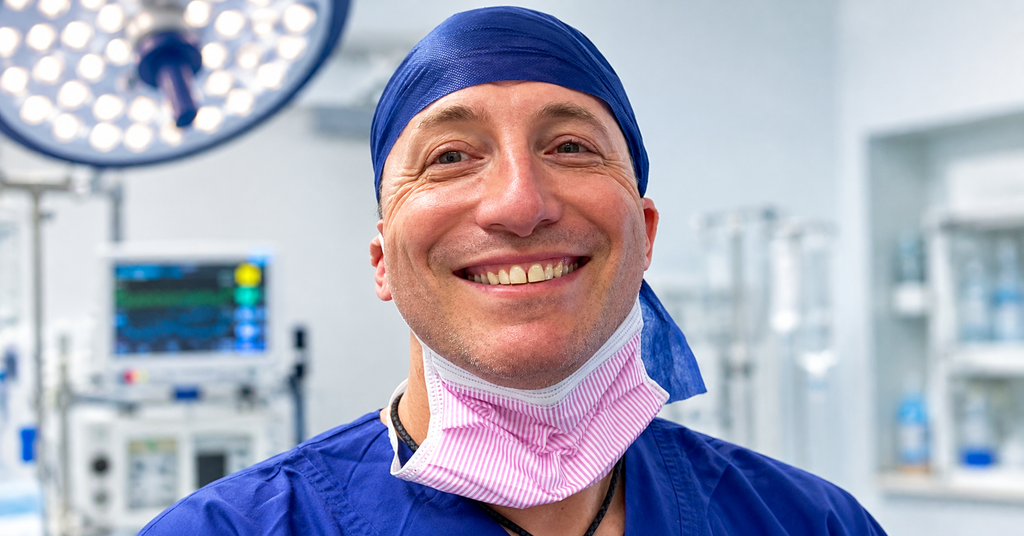
Dr. Shaun Segal has over 15 years of experience in skin cancer surgery in Australia and has treated thousands of patients. He understands why early detection matters, especially in a country where outdoor activities and UV exposure are part of everyday life.
Australia has one of the world’s highest skin cancer rates, but the risk varies across regions. In this blog, Dr. Shaun Segal will highlight the importance of understanding local risks, protecting your skin, and recognising early warning signs.
Dr. Shaun Segal on Why Skin Cancer Rates are High?
Dr. Shaun Segal explains how Australia’s high UV exposure increases skin cancer risks. In 2021, Queensland recorded 79 melanoma cases per 100,000 people, compared with 45 in Victoria and South Australia. Repeated sunburn and poor sun protection add to the risk.
Research: AIHW – Melanoma of the Skin in Australia.
AU Cities With High Skin Cancer Rates
Dr. Shaun Segal recently came across research that highlighted regions with higher melanoma rates across Australia. According to AIHW data (2017–2021), the following cities and regions have recorded particularly high skin cancer rates:
1. Queensland
Queensland is a major hotspot for melanoma in Australia. The state recorded the highest melanoma incidence rate in 2021, with 79 cases per 100,000 people.
The Gold Coast, Brisbane and Cairns are popular for their outdoor lifestyles, says Dr. Shaun Segal. Beach visits, swimming and sports are common, but spending long hours outside without protection can increase UV exposure.
Some Queensland regions recorded high melanoma rates:
- Coolangatta: 121.4 cases per 100,000 people.
- Broadbeach–Burleigh: 116.4 cases per 100,000 people.
- Cairns–North: 103.8 cases per 100,000 people.
- Brisbane Inner–West: 103.1 cases per 100,000 people.
Read more about Dr. Shaun Segal.
2. New South Wales
Dr. Shaun Segal notes that Queensland is not the only state reporting high melanoma rates. Several coastal communities in New South Wales have also recorded concerning figures.
People living near the coast enjoy swimming, surfing and outdoor activities. However, regular exposure to sunlight can gradually damage the skin.
Some higher-incidence regions include:
- Richmond Valley–Coastal: 114.5 cases per 100,000 people.
- Cronulla–Miranda–Caringbah: 111.7 cases per 100,000 people.
- Port Macquarie: 107.5 cases per 100,000 people.
- Clarence Valley: 101.9 cases per 100,000 people.
These figures remind coastal residents to take sun protection seriously.
3. Western Australia
Dr. Shaun Segal also highlights the importance of skin health in Western Australia. Perth and surrounding areas enjoy plenty of sunshine, making outdoor activities common throughout the year.
Although Western Australia did not record Queensland’s high state-level melanoma rate in the 2021 comparison, residents should not assume they are free from risk. People who work outdoors or spend long periods in direct sunlight should take extra care.
You can explore Dr. Shaun Segal treatment services .
4. Tasmania
Dr. Shaun Segal reminds people that skin damage is not limited to hot weather. Tasmania has a cooler climate, but UV radiation can still affect the skin.
Spending time outdoors without protection can cause skin damage even when temperatures are low. Checking daily UV levels, wearing protective clothing and finding shade are useful habits throughout the year.
Dr. Shaun Segal on Region-wise Impact
Dr. Shaun Segal believes it is important to look beyond Australia’s major cities. According to AIHW data from 2017–2021, inner regional areas recorded higher melanoma incidence rates than major cities.
The reported figures were:
- Inner regional areas: 78.3 cases per 100,000 people.
- Outer regional areas: 70.3 cases per 100,000 people.
- Major cities: 57.5 cases per 100,000 people.
- Remote and very remote areas: 55.3 cases per 100,000 people.
These figures show that living in a major city does not automatically mean having a higher risk. Outdoor occupations, lifestyle and UV exposure can all influence skin health.
How Can Australians Protect Their Skin?
Dr. Shaun Segal encourages Australians to make sun protection part of their daily routine, not just something to think about during summer. Cancer Council Australia recommends sun protection whenever the UV Index reaches 3 or above.
Its Slip, Slop, Slap, Seek and Slide advice offers five simple ways to reduce UV exposure:
- Slip: Wear clothing that covers your shoulders, arms and legs.
- Slop: Apply broad-spectrum, water-resistant SPF 50 or SPF 50+ sunscreen and reapply every two hours.
- Slap: Wear a broad-brimmed hat to protect your face, ears and neck.
- Seek: Find shade when UV levels are high.
- Slide: Wear sunglasses that meet Australian standards.
Get to know more about Australia’s sun safety advice.
Why Are Regular Skin Checks Important?
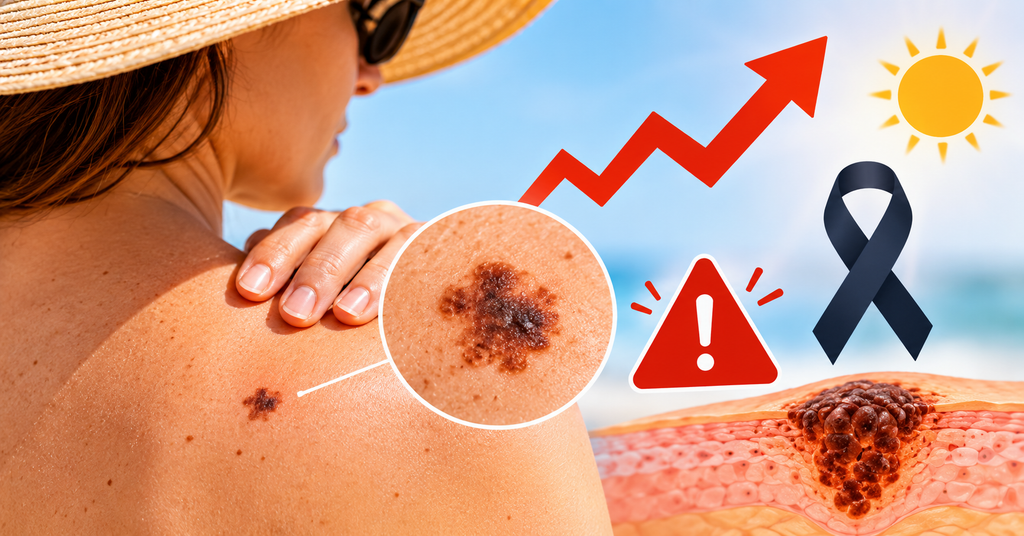
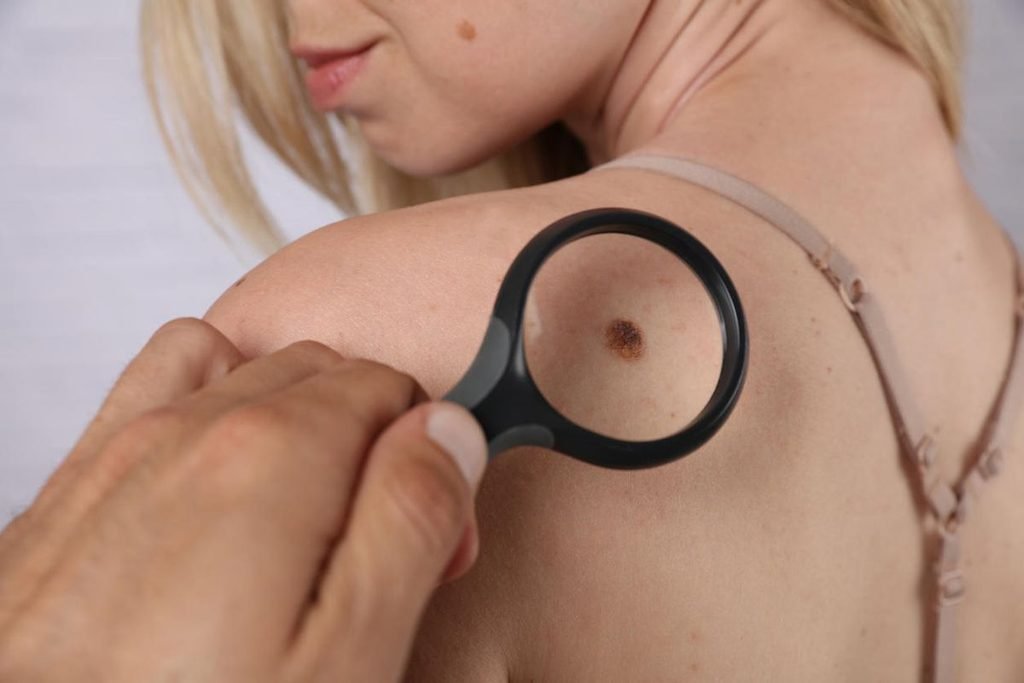
Dr. Shaun Segal believes people should never ignore unusual changes in their skin. A new spot, changing mole or sore that does not heal properly may need medical attention.
Look out for:
- New or unusual spots appearing on the skin.
- Moles changing in size, shape or colour.
- Sores that repeatedly bleed or do not heal.
- Spots that become itchy, painful or irritated.
Explore Dr. Shaun Segal’s tips for spotting suspicious moles .
Call Dr. Shaun Segal for Skin Cancer Treatment
With more than 15 years of experience, Dr. Shaun Segal has treated thousands of patients requiring skin cancer surgery. His work includes diagnosis, surgical removal and reconstruction, particularly in delicate areas of the face.
His treatment services include:
- Skin cancer diagnosis and biopsy.
- Surgical excision and reconstruction.
- Slow Mohs surgery for selected skin cancers.
- Complex facial reconstruction involving the nose, eyelids and ears.
- Follow-up care to monitor skin health after treatment.
Call Dr. Shaun Segal on 893872844 or email him at drshaunsegal12@gmail.com or hello@drshaunsegal.com.au for expert advice and consultation.